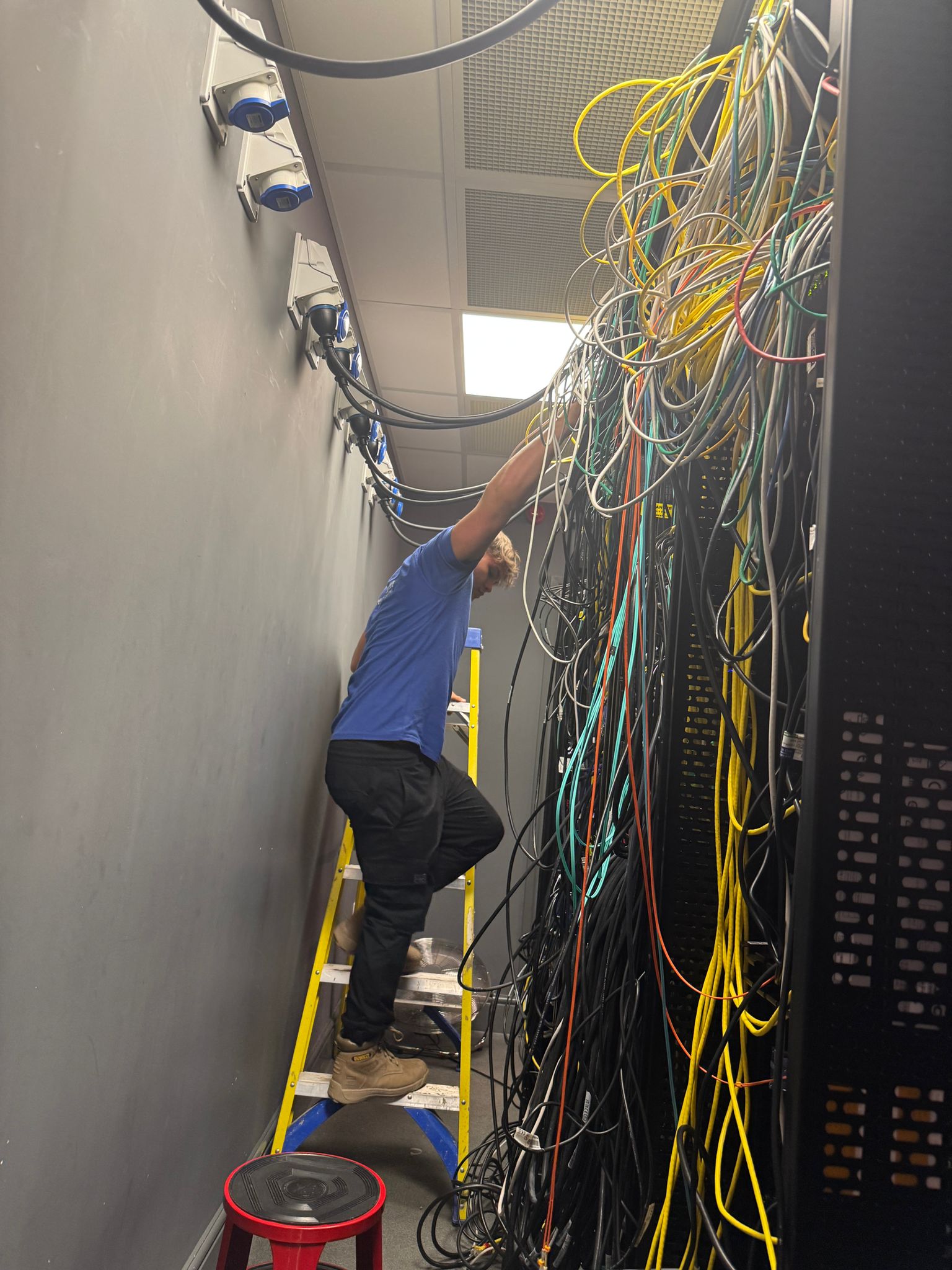
Part 1. The Hidden Risks of Messy Server Room Cabling
Over the years, we have shared many before-and-after photographs of our work: server room tidy-ups, rack refreshes, structured cabling installations, cable remediation projects and data centre cabling upgrades.
The reaction is often the same.
People like the photographs because the finished installation looks good.
Clean racks. Straight patch leads. Clearly labelled cables. Organised containment. A server room that finally looks under control.
For many businesses, the server room, comms room or network cabinet has grown over time. New equipment has been added. Temporary patch leads have become permanent. Old cables have been left in place. Documentation has not always been updated. Eventually, the environment becomes harder to understand, harder to maintain and riskier to work in, and, in some cases becomes an unofficial storage area.
This applies whether you operate a dedicated data centre, a small server room, a comms room, or several network cabinets across an office, manufacturing plant, school, healthcare site, bank, financial institution or commercial building.
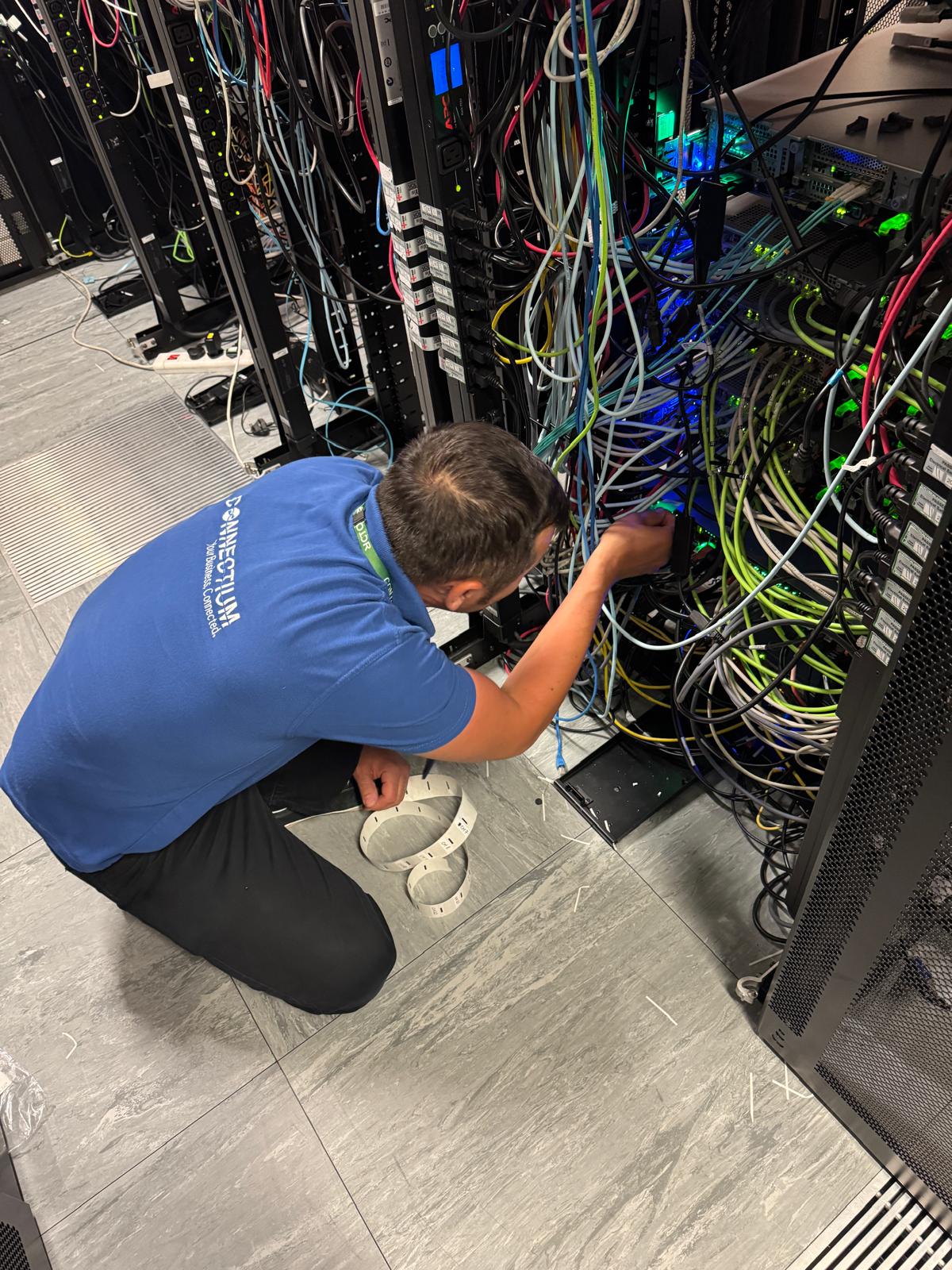

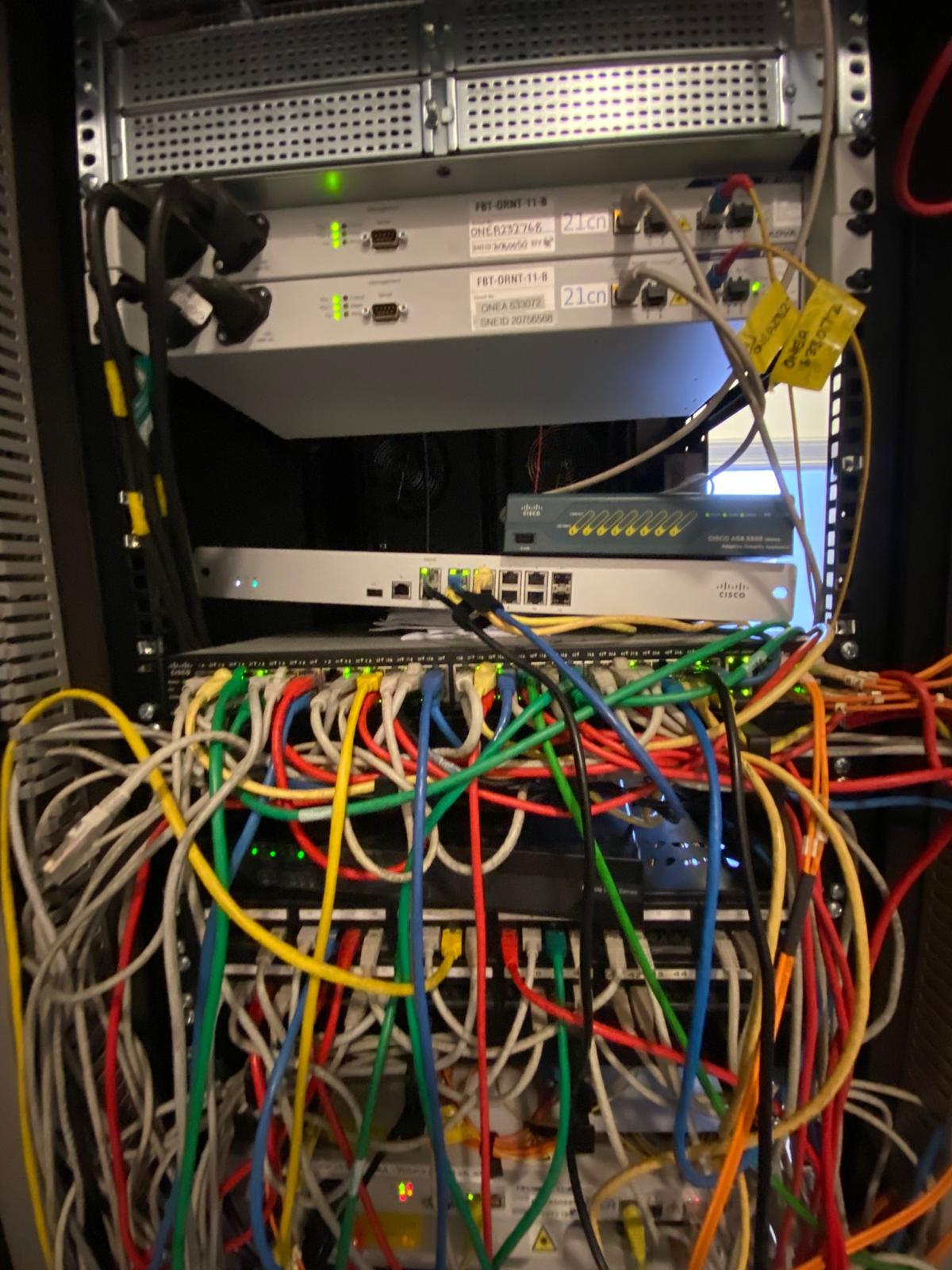

“So, you do nice cabling?”
We have occasionally explained the long-term benefits of professional cable management and received the response:
“So, you do nice cabling?”
Yes, we do.
But “nice cabling” is far more than making cables look neat.
In a live IT environment, organised server room cabling helps engineers identify equipment quickly, trace connections confidently and complete work without unnecessarily placing other services at risk, just to name a few.
When something needs to be maintained, changed or repaired, the difference between a controlled cabling environment and a messy one becomes very clear.
An engineer should not have to spend valuable time trying to work out where an unlabelled cable leads, which port it connects to or whether it can be safely disconnected.
Good cable management reduces uncertainty. It makes the environment easier to understand and easier to work in.
How server rooms become messy
Most messy server rooms do not start that way.
They usually become difficult to manage gradually.
A new switch is installed, a firewall is replaced, more users are added, a temporary connection is patched in, a server is removed, but the old cabling is left behind. Another project is completed quickly, but the records are not updated and the list can go on.
Over time, the rack becomes harder to read.
Cables cross over one another. Patch leads block access to equipment. Redundant cables take up space. Labels become missing, unclear or out of date. Engineers rely on guesswork instead of accurate information.
This is where server room cable management becomes important.
Professional cable management is not just about tidying what is visible from the front of the rack. It is about creating clear routes, accurate labelling and a layout that supports the way the infrastructure is used.
A well-managed environment helps technical teams work faster, safer and with more confidence.
Signs your server room cabling needs attention
Your server room, comms room or network cabinets may need attention if:
cables are not clearly labelled
old or redundant cables have been left in place
engineers struggle to trace connections
patch leads run across equipment vents or access points
switches, firewalls or servers are difficult to reach
there is no accurate rack elevation or patching schedule
every small change takes longer than expected
nobody is fully confident which cables are still live
These are not just housekeeping issues.
They can increase the time needed to complete maintenance, make fault finding more difficult and raise the risk of accidental disconnection during planned work.
Poor cable routing can also create access and safety issues. Under the UK Workplace (Health, Safety and Welfare) Regulations 1992, workplace floors and traffic routes should, so far as reasonably practicable, be kept free from obstructions and from anything that may cause someone to slip, trip or fall. In a server room or comms room, that supports the same practical point: cable routes should not block safe access to equipment or create unnecessary hazards around racks and cabinets.
In technical environments, organisation and safe access should always work together.
Why this matters to the business
When a server room is difficult to manage, the impact is usually felt during the moments when time matters most.
A network issue occurs. A switch needs replacing. A firewall needs upgrading. A storage device needs to be removed. A new connection needs to be patched quickly.
In a messy environment, even simple tasks can become slower and riskier.
Engineers may need to move multiple cables to access one device. They may need to trace connections manually because records are missing or out of date. They may avoid removing old cabling because nobody is completely sure what is still in use.
This creates unnecessary complexity.
For businesses that rely on their own server rooms or network cabinets, organised cabling supports a more reliable and maintainable infrastructure. It makes future changes easier to plan and reduces the chance of avoidable disruption.
Connectium supports businesses with practical server room and data centre cabling services, including cable tracing, patching, labelling, structured cabling, rack cabling and cable remediation.
For environments where the current condition is unclear, a data centre audit can help identify cabling issues, redundant equipment, documentation gaps and areas that may need improvement.
More than a tidy-up
A tidy rack may look better in a photograph, but the real value of organised cabling is operational.
It means equipment is easier to access, connections are easier to trace, changes are easier to control and engineers can work with less guesswork and less risk.
Messy server room cabling should not be ignored simply because everything is still working today. In many cases, the risk only becomes obvious when something needs to be changed quickly or repaired under pressure.
That is why professional cable management is about more than appearance.
It is about leaving the customer with a server room, comms room or network cabinet that is easier to understand, easier to maintain and better prepared for future requirements.
In part two, we will look at how poor cable management can affect airflow, cooling, maintenance and fault finding inside a live server room or data centre environment.


